Sunita was 58 years old when she had her first heart attack. A retired school teacher from Jaipur, she had always been the emotional pillar of her family — the one who cooked for everyone, organised festivals, and kept the household running with warmth and purpose. Her angioplasty went well. The doctors were pleased with her recovery. Her family was relieved.
But three months later, Sunita was a different person. She stopped cooking. She barely left her room. She sat for hours staring at the wall, her half-drunk chai growing cold on the table beside her. When her daughter asked what was wrong, Sunita said, "I don't know. I just feel like there's no point anymore." Her family assumed she was still tired from the procedure. They told her to rest. They brought her favourite foods. But nothing helped.
What Sunita's family did not realise was that she was not just recovering from a heart attack. She was battling clinical depression — and the two conditions were feeding each other in a dangerous cycle that, left untreated, could have cost her life.
The Two-Way Connection That Most Families Miss
Here is what makes the relationship between depression and heart disease so dangerous: it works in both directions.
Depression increases the risk of developing heart disease. People who are depressed — even if they have no existing heart condition — are roughly twice as likely to develop coronary artery disease compared to people without depression. And if they already have heart disease, depression dramatically worsens their prognosis.
Heart disease increases the risk of developing depression. After a heart attack, angioplasty, or bypass surgery, up to 1 in 3 patients develops clinical depression. This is not simply feeling sad or scared — it is a persistent, debilitating condition that affects every aspect of life and recovery.
Together, they create a cycle that is difficult to break without deliberate intervention. Understanding this cycle is the first step toward breaking it.
How Depression Damages the Heart
Depression is not just an emotional state. It creates measurable, physical changes in the body that directly harm the cardiovascular system:
Chronic cortisol elevation: Depression activates the body's stress response system, flooding it with cortisol — the stress hormone. Chronically elevated cortisol raises blood pressure, increases blood sugar, promotes fat storage around the abdomen, and accelerates the buildup of plaque in the arteries. Over months and years, this creates the perfect conditions for a heart attack.
Increased platelet activation: Depression makes blood platelets — the cells responsible for clotting — stickier and more likely to form dangerous clots. This is one of the key mechanisms by which depression directly triggers heart attacks. A depressed patient's blood is, quite literally, more dangerous than that of a non-depressed patient with the same risk factors.
Chronic inflammation: Depression elevates markers of inflammation throughout the body, including C-reactive protein (CRP) and interleukin-6 (IL-6). This inflammation damages arterial walls and accelerates atherosclerosis — the progressive narrowing of arteries that leads to heart attacks and strokes.
Unhealthy behaviours: Perhaps the most visible — but often overlooked — mechanism. Depressed patients are more likely to smoke, eat poorly, avoid exercise, skip their cardiac medications, miss follow-up appointments, and withdraw from social activities that would otherwise support their recovery. Each of these behaviours independently increases cardiac risk. Together, they are devastating.
How Heart Disease Triggers Depression
Surviving a cardiac event is not the triumphant moment that people outside the experience often imagine. For many patients, it is the beginning of a deeply unsettling period marked by:
- Confronting mortality: A heart attack forces you to confront the reality that your body can fail you. For many patients, this existential awareness is profoundly distressing and difficult to process.
- Loss of identity and independence: The active, productive person you were before the heart event may feel unreachable. You cannot do the things you used to do. You depend on others for tasks you once handled easily. This loss of self is deeply painful.
- Physical limitations and frustration: Breathlessness, fatigue, reduced stamina, and the fear of overexerting all restrict daily life in ways that feel suffocating.
- Financial stress: Cardiac care in India — despite being more affordable than in many countries — still represents a significant financial burden for most families. The cost of stents, medications, follow-up tests, and lost income creates anxiety that compounds the emotional toll.
- Medication side effects: Some cardiac medications, particularly beta-blockers, can contribute to feelings of fatigue, low mood, and reduced motivation — blurring the line between medication side effects and clinical depression.
- Social withdrawal: Heart patients often withdraw from social life during recovery. In Indian families, this withdrawal can be reinforced by overprotective family members who insist the patient should not go out, should not exert themselves, should simply rest. While well-intentioned, this isolation feeds depression.
The Deadly Cost of Ignoring Depression in Heart Patients
Here is the statistic that should change how every cardiologist and every family approaches cardiac recovery: untreated depression in heart patients triples the risk of dying from a subsequent cardiac event.
This is not a marginal increase. It is a threefold increase in mortality. A heart patient who is depressed and does not receive treatment for that depression is three times more likely to die from heart disease than a heart patient who is not depressed — even if their cardiac condition is otherwise identical.
Depression is not a weakness. It is not laziness. It is not "just feeling low." It is a medical condition with biological underpinnings that actively damages the heart. And it requires treatment just as urgently as high blood pressure or high cholesterol.
Recognising Depression in Yourself or a Loved One
Depression after a heart event can look different from what people expect. It is not always crying or saying "I'm depressed." Watch for these signs, especially if they persist for more than two weeks:
- Persistent sadness, emptiness, or a feeling of numbness
- Loss of interest in activities that previously brought joy — cooking, reading, spending time with grandchildren, watching cricket
- Changes in appetite — either eating much less or eating compulsively
- Sleep disturbances — difficulty falling asleep, waking up very early, or sleeping excessively
- Fatigue and exhaustion that goes beyond what the heart condition explains
- Difficulty concentrating, making decisions, or remembering things
- Irritability and restlessness — snapping at family members for small things
- Feelings of worthlessness — believing you are a burden on your family
- Withdrawal from social activities and conversations
- In severe cases, thoughts of death, self-harm, or feeling that the family would be better off without you
If you recognise these signs in yourself or a loved one, do not wait. Talk to your cardiologist. Depression is treatable, and treating it can save lives.
Breaking the Cycle: A Multi-Layered Approach
Breaking the depression-heart disease cycle requires addressing both conditions simultaneously. Here is what works:
1. Physical Activity — The Single Best Medicine for Both
Exercise is the only intervention that simultaneously improves cardiac function, reduces depression symptoms, lowers inflammation, improves sleep, and builds confidence. Even gentle activity — a 20-minute walk, light yoga, supervised exercises in a cardiac rehabilitation programme — can make a measurable difference within weeks. The key is consistency, not intensity.
2. Psychological Support and Therapy
Cognitive Behavioural Therapy (CBT) has been shown to be highly effective for depression in cardiac patients. It helps patients identify and challenge the negative thought patterns — "I'm broken," "I'll never be normal again," "I'm a burden" — that fuel depression. Many hospitals in India now offer counselling as part of their cardiac care programmes. If yours does not, ask for a referral to a clinical psychologist or psychiatrist who has experience with cardiac patients.
3. Medication When Needed
For moderate to severe depression, antidepressant medication may be necessary. SSRIs (Selective Serotonin Reuptake Inhibitors) are generally considered safe and effective for heart patients. Your cardiologist and psychiatrist should work together to select a medication that does not interfere with your cardiac drugs. Never start or stop an antidepressant without medical guidance.
4. Social Reconnection
Isolation feeds depression. Reconnecting with family, friends, and community is a powerful antidote. In Indian culture, where family bonds are strong, this can take many forms — having chai with neighbours, attending a pooja or community gathering, playing with grandchildren, or simply sitting with family in the evening instead of alone in a room.
5. Mindfulness and Stress Reduction
Practices like meditation, pranayama (breathing exercises), gentle yoga, and even listening to devotional music or chanting have been shown to reduce cortisol levels, lower blood pressure, improve heart rate variability, and ease depressive symptoms. These are not alternatives to medical treatment — they are powerful complements that enhance recovery.
6. Family Involvement and Awareness
In India, recovery happens at home, surrounded by family. This is a tremendous strength — but only if the family understands what the patient needs. Families should know that depression is a medical condition, not a character flaw. That overprotection can be as harmful as neglect. That encouraging the patient to be active, to socialise, and to talk about their feelings is far more helpful than telling them to "just be positive" or "stop worrying."
A Note for Caregivers
If you are caring for a family member who has had a heart event, please take care of yourself too. Caregiver burnout is real, and it often goes unrecognised. The stress of managing medications, driving to appointments, watching over a loved one, managing finances, and keeping the household running — all while carrying the emotional weight of fear and uncertainty — can take a serious toll on your own mental and physical health.
Make time for yourself. Ask for help from other family members. Join a support group if one is available. And do not feel guilty for needing support — you cannot pour from an empty cup.
You Are Not Alone
If you are reading this because you or someone you love is struggling with both heart disease and depression, know this: you are not alone, you are not weak, and there is help available. The connection between your heart and your mind is real, and addressing both together is the path to true recovery.
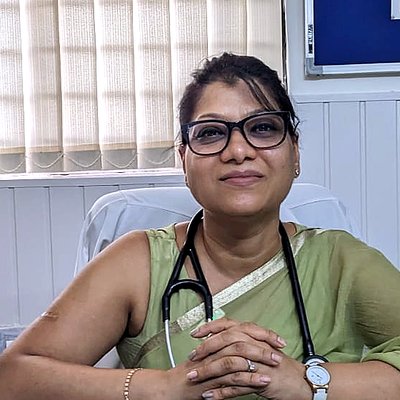
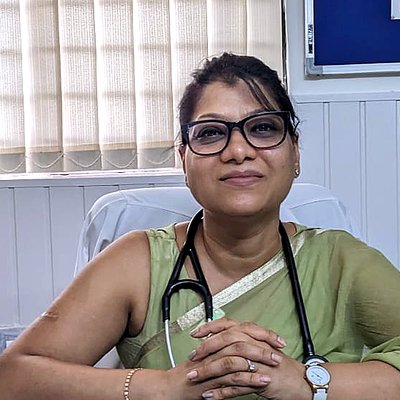
Dr. Ruchi Gupta's practice in Jaipur takes a holistic approach to cardiac care — addressing not just the physical heart, but the emotional and psychological wellbeing of every patient. To discuss your recovery, your concerns, or your next steps, call +91-98765 43210 or book an appointment online.