Rahul was 34 years old. A software engineer in Jaipur, working for a multinational company. He exercised occasionally, did not smoke, and considered himself reasonably healthy. One morning, while getting ready for an early meeting, he felt a tightness in his chest that would not go away. Within an hour, he was in the emergency room. The diagnosis: a massive heart attack caused by a complete blockage in his left anterior descending artery — the artery cardiologists call "the widow-maker."
Rahul survived. But his story shook his family, his colleagues, and everyone who knew him. He was young. He looked healthy. He had no obvious risk factors. And yet, his heart had been silently building up disease for years.
Rahul's story is becoming frighteningly common across India. Heart attacks that were once considered a problem of the 50-plus generation are now regularly occurring in people in their 20s, 30s, and early 40s. And the reasons are a dangerous cocktail of modern lifestyle, hidden genetic predispositions, and environmental factors that most young people do not even know about.
The Myth of Being "Too Young" for Heart Disease
One of the most dangerous beliefs in India today is that heart disease is an old person's problem. Young adults dismiss warning signs because they assume their age protects them. Families brush off chest pain as "gas" or "stress." Doctors sometimes attribute symptoms in young patients to anxiety without running cardiac tests.
The reality is stark. India has one of the highest rates of heart disease in the world, and Indians develop coronary artery disease (CAD) a full decade earlier than people in Western countries. Studies consistently show that nearly 25 percent of heart attacks in India occur in people under 40. The average age of a first heart attack in India is 50 — compared to 65 in Western countries.
This is not a future problem. It is happening right now, in our homes, our offices, and our cities.
The Hidden Risk Factors Young Adults Do Not Know About
When we think of heart disease risk, we think of the obvious culprits — smoking, obesity, diabetes, high blood pressure. But young adults who develop heart disease often have risk factors that are less visible, less discussed, and therefore more dangerous.
1. Chronic Stress and the "Always On" Culture
The modern Indian professional — whether in IT, finance, medicine, or entrepreneurship — lives in a state of perpetual stress. Tight deadlines, long hours, constant connectivity, job insecurity, EMIs, family expectations, and the pressure to succeed by a certain age. This chronic stress floods the body with cortisol and adrenaline, which over time damage artery walls, increase blood pressure, raise blood sugar, and promote inflammation.
Stress is not just "mental." It creates measurable, physical damage to the cardiovascular system. And unlike older generations, today's young adults rarely disconnect. There is no downtime. The stress is constant, low-grade, and cumulative.
2. Family History — The Risk Factor You Cannot Change
If your father, mother, brother, or sister had heart disease before the age of 55 (for men) or 65 (for women), your own risk increases significantly. This includes heart attacks, angioplasty, bypass surgery, or sudden cardiac death.
Many young Indians do not know their family cardiac history. In joint families, medical details are often not discussed openly. Some families attribute a relative's death to "old age" when it was actually a heart attack. If you are under 40, make it a point to ask your parents and grandparents about any heart-related events in the family. This single piece of information can change how your cardiologist approaches your care.
3. Metabolic Syndrome Without Obesity
Here is a fact that surprises many people: you do not need to be overweight to have metabolic syndrome. Many young Indians are what doctors call "thin on the outside, fat on the inside" — they have a normal BMI but carry dangerous visceral fat around their organs. They may have insulin resistance, borderline high blood sugar, elevated triglycerides, and low HDL (good) cholesterol — all without looking unhealthy.
This is particularly common in the Indian population due to genetic factors. Indians are predisposed to central adiposity (belly fat) and insulin resistance even at lower body weights. A young man with a 32-inch waist and a "normal" BMI could still have a metabolic profile that puts him at serious cardiac risk.
4. Processed Food and the Death of the Traditional Indian Diet
Our grandparents ate dal, roti, sabzi, dahi, and seasonal fruits. Today's young adults eat pizza, burgers, instant noodles, packaged snacks, sweetened beverages, and meals delivered by apps. The traditional Indian diet — which was naturally high in fibre, legumes, whole grains, and vegetables — has been replaced by a diet high in refined carbohydrates, trans fats, sodium, and sugar.
This dietary shift is not just making people overweight. It is driving up inflammation, oxidative stress, and arterial damage in people who are too young to suspect heart disease.
5. Recreational Drug Use and Substance Abuse
Cocaine, cannabis, anabolic steroids, and even excessive use of energy drinks are increasingly common among young urban Indians. Cocaine, in particular, is a potent trigger for coronary artery spasm and can cause a heart attack even in someone with completely clean arteries. Anabolic steroids — used by gym-goers for bodybuilding — can cause dangerous changes in cholesterol, blood clotting, and heart muscle structure.
6. Air Pollution — The Silent Cardiovascular Toxin
If you live in Delhi, Jaipur, Lucknow, or any of India's polluted cities, you are inhaling microscopic particles (PM2.5) that enter your bloodstream through your lungs. These particles cause chronic inflammation, accelerate atherosclerosis (plaque buildup in arteries), and increase the risk of heart attack and stroke. Studies estimate that air pollution contributes to over 25 percent of cardiovascular deaths in India.
You may eat well, exercise regularly, and never smoke — but if you breathe polluted air every day, your heart is still under attack.
Warning Signs That Young Adults Dismiss
Young adults are experts at explaining away symptoms. The problem is that heart disease in young people often presents subtly, and the symptoms overlap with conditions that feel less serious:
- Chest tightness during exercise: "I'm just out of shape."
- Unusual shortness of breath: "I need to work out more."
- Palpitations or racing heart: "It's just anxiety."
- Extreme fatigue after normal activities: "I'm not sleeping enough."
- Jaw pain or left arm discomfort: "I must have slept in a bad position."
- Fainting or near-fainting episodes: "I probably skipped breakfast."
If any of these symptoms are recurrent — especially during physical exertion — do not dismiss them. Get a cardiac evaluation. It could save your life.
What You Can Do Right Now to Protect Your Heart
The good news is that heart disease in young adults is largely preventable. Here is what you should do, starting today:
Know Your Numbers
Get a baseline cardiac health check by age 30 — earlier if you have a family history. This should include: blood pressure, fasting blood sugar and HbA1c, complete lipid profile (total cholesterol, LDL, HDL, triglycerides, Lp(a) if available), BMI and waist circumference, and a resting ECG. These simple tests can reveal hidden risks years before symptoms appear.
Prioritise Sleep
Sleep is not a luxury — it is a cardiac necessity. Poor sleep raises blood pressure, increases insulin resistance, elevates cortisol, and promotes weight gain. Aim for 7 to 8 hours of quality sleep every night. Put your phone away at least 30 minutes before bed. If you snore loudly or wake up feeling exhausted despite sleeping enough, get screened for sleep apnea — a condition strongly linked to heart disease.
Move Your Body — Consistently
You do not need to run marathons. You need consistent, moderate activity — 150 minutes per week. Brisk walking, cycling, swimming, playing a sport, dancing, or even climbing stairs. The key is regularity. A weekend warrior who exercises intensely on Saturday and sits for six days straight is not protecting their heart.
Reclaim the Traditional Indian Diet
Go back to basics. Dal, roti, seasonal sabzi, dahi, poha, idli, upma, moong dal chilla — these foods are not just nostalgic, they are heart-protective. Reduce processed food, maida-based products, sugary drinks, and deep-fried snacks. Cook at home more often. Use less oil — even "healthy" oils should be used in moderation. Include nuts, seeds, and fresh fruits daily.
Practice Active Stress Management
Stress management is not about taking one vacation a year. It is about daily practices that lower your baseline stress level: 10 minutes of meditation or pranayama in the morning, regular time with friends and family (in person, not on screens), hobbies that have nothing to do with work, learning to say no, and seeking professional help if you feel overwhelmed. The connection between emotional health and cardiac health is real and well-documented.
When Should a Young Adult See a Cardiologist?
Do not wait for symptoms. See a cardiologist if:
- You have a family history of premature heart disease (before 55 in men, 65 in women)
- You have diabetes, hypertension, or high cholesterol — even if "borderline"
- You experience unexplained chest discomfort, breathlessness, or palpitations
- You use or have used recreational drugs
- You have an autoimmune condition (rheumatoid arthritis, lupus, psoriasis)
- You want a comprehensive cardiac risk assessment for peace of mind
Early detection is the most powerful tool in cardiology. A heart that is identified as at-risk can be protected. A heart that is already damaged can only be treated.
It is also vital that every young adult — and their family — knows what to do if a heart attack strikes. Read our step-by-step guide on first aid for a heart attack. And if you are dealing with chronic stress, anxiety, or depression, understand the two-way connection between depression and heart disease — because your mental health is your heart's health.
Your Heart Does Not Wait for You to Be Ready
Heart disease does not send a calendar invitation. It does not wait until you are 50 or 60. It builds silently, over years and decades, fuelled by the choices you make every day. But the flip side is equally powerful: the healthy choices you make today can prevent the heart attack of tomorrow.
Do not assume you are too young. Do not assume you are too healthy. Get checked. Know your risks. And take action while you still can.
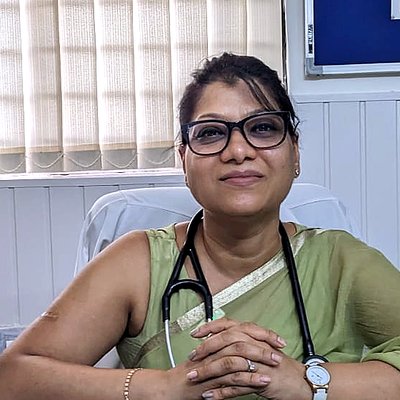
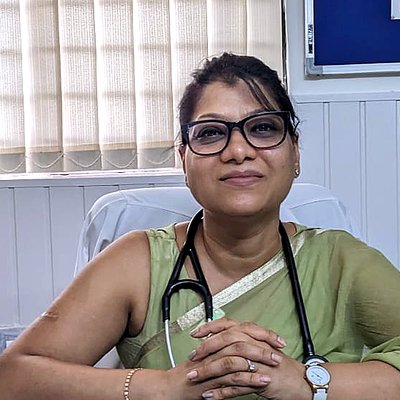
For a comprehensive cardiac risk assessment, advanced screening, and preventive cardiology consultation, reach out to Dr. Ruchi Gupta in Jaipur. Call +91-98765 43210 or book an appointment online.