A phone call at 2 AM. A sudden grip of pain during a morning walk. A family gathering that turns into a medical emergency. Heart attacks do not come with appointments. They arrive without warning, and when they do, what happens in the next few minutes can determine whether a life is saved or lost.
In India, where cardiac emergencies are rising at an alarming rate — and where the nearest hospital with a cath lab may be thirty minutes or more away — knowing what to do during a heart attack is not optional knowledge. It is essential. Every family should know these steps, because one day, this knowledge may save someone you love.
This guide will walk you through exactly what to do, what not to do, and the dangerous myths that cost lives every year.
Recognising the Signs of a Heart Attack
Before you can act, you need to recognise what is happening. A heart attack occurs when blood flow to a part of the heart muscle is suddenly blocked, usually by a blood clot in a coronary artery. Without blood flow, the heart muscle begins to die. This is why cardiologists say "time is muscle" — every minute of delay means more permanent damage.
The classic symptoms of a heart attack include:
- Chest pain or pressure: A heavy, squeezing, or burning sensation in the centre or left side of the chest. Many patients describe it as feeling like someone is sitting on their chest.
- Radiating pain: Pain that spreads to the left arm, jaw, neck, shoulder blades, or upper back.
- Shortness of breath: Difficulty breathing, with or without chest pain.
- Cold sweats: Sudden, profuse sweating unrelated to physical exertion or heat.
- Nausea or vomiting: Sometimes mistaken for acidity or food poisoning.
- Dizziness or lightheadedness: Feeling faint or unsteady on your feet.
- Overwhelming fatigue: Sudden, extreme tiredness that feels different from normal exhaustion.
How Heart Attack Symptoms Differ in Women
This is critically important and widely misunderstood. Women do not always experience the classic "elephant on the chest" symptom. In many cases, women present with symptoms that are easy to dismiss:
- Unusual fatigue lasting several days
- Pain in the jaw, neck, or upper back rather than the chest
- Nausea, vomiting, or indigestion-like discomfort
- Breathlessness without chest pain
- A general feeling that something is very wrong, even without a specific symptom
Because these symptoms are atypical, women — and their families — often delay seeking help. This delay is one of the reasons women have higher mortality rates from heart attacks than men. If a woman in your family complains of any of these symptoms, especially if she has risk factors like diabetes, high blood pressure, or a family history of heart disease, do not wait. Act immediately.
What TO DO: 6 Critical Steps
If you suspect someone is having a heart attack, follow these steps immediately and in order:
- Call emergency services or get to a hospital immediately. In India, call 108 (emergency ambulance) or 112 (national emergency number). If you are in Jaipur, know which hospitals near you have a catheterisation lab — because the treatment for a heart attack is primary angioplasty, which requires specialised equipment. If an ambulance will take too long, drive the patient to the nearest hospital with a cath lab. Do not let the patient drive themselves.
- Have the person chew an aspirin tablet (325 mg). Aspirin helps thin the blood and can slow the growth of the clot that is blocking the artery. The key word is chew — not swallow whole. Chewing allows the aspirin to enter the bloodstream faster. Only skip this step if the person is known to be allergic to aspirin.
- Give nitroglycerin if prescribed. If the patient has been previously diagnosed with heart disease and carries nitroglycerin (sorbitrate), place one tablet under the tongue. Do not give nitroglycerin to someone who has not been prescribed it, as it can cause a dangerous drop in blood pressure.
- Help the person sit down in a comfortable position. A semi-reclined position — propped up against a wall, couch back, or pillows — is usually most comfortable and helps with breathing. Do not make them lie flat, as this can make breathlessness worse.
- Keep the person calm and reassured. Anxiety and panic increase heart rate and worsen the situation. Speak calmly and confidently. Tell them help is on the way. Loosen any tight clothing — belts, ties, tight kurtas, or bras. Open windows for fresh air if possible.
- Be prepared to perform CPR if the person becomes unconscious. If the person stops responding and stops breathing normally, begin chest compressions immediately. Place the heel of one hand on the centre of the chest, place your other hand on top, and push hard and fast — at least 5 centimetres deep, at a rate of 100 to 120 compressions per minute. Do not stop until medical help arrives. If you are untrained in CPR, hands-only CPR (compressions without mouth-to-mouth breathing) is still far better than doing nothing.
What NOT to Do: Dangerous Myths That Cost Lives
In the age of WhatsApp forwards and social media, dangerous misinformation about heart attack first aid spreads rapidly. Here are the myths you must ignore:
Myth 1: "Cough CPR" can save you during a heart attack.
This is one of the most widely shared — and most dangerous — pieces of misinformation. The claim is that vigorous, repeated coughing can keep you conscious during a heart attack. This has no scientific basis. Coughing does nothing to unblock a coronary artery. The time you spend coughing is time wasted — time that should be spent calling for help and chewing an aspirin. Please do not forward these messages. They put lives at risk.
Myth 2: Give the person water, lemon water, or juice.
Do not give the person anything to eat or drink besides aspirin. If the patient needs emergency angioplasty (which is likely), they may need to be sedated. Food or liquid in the stomach increases the risk of aspiration during the procedure. Additionally, the patient may vomit, and liquids in the stomach make this more dangerous.
Myth 3: "Wait and see if the pain goes away."
This is the single most deadly mistake. Many families, especially in smaller towns and rural areas, wait for hours hoping the symptoms will pass. Some attribute the pain to gas, acidity, or muscle strain. Every minute of waiting is a minute of heart muscle dying. If symptoms last more than five minutes, treat it as a heart attack and act immediately.
Myth 4: Give the person random heart medications.
Do not give someone else's heart medication to the patient. Different heart conditions require different drugs, and the wrong medication can cause dangerously low blood pressure, abnormal heart rhythms, or worse. Only give aspirin and nitroglycerin (if previously prescribed to that specific patient).
Myth 5: Let the person drive themselves to the hospital.
A heart attack victim can lose consciousness at any moment. If they are driving when this happens, it endangers their life and the lives of others on the road. Always have someone else drive, or call an ambulance.
Understanding the Golden Hour
The "golden hour" is a concept every family should understand. In the context of a heart attack, it refers to the first 60 to 90 minutes after symptoms begin. If the blocked artery can be opened within this window — through primary angioplasty — the damage to the heart muscle is minimised, and the chances of a full recovery are highest.
After 90 minutes, heart muscle damage increases significantly. After 6 hours, the damage is often irreversible. After 12 hours, the window for intervention narrows dramatically.
This is why preparation matters. Know which hospitals in your area have a cath lab. Keep important medical documents — previous angiography reports, medication lists, allergy information — in an accessible place. Have an emergency plan that your family members know by heart.
A Word About Prevention
The best first aid for a heart attack is preventing it from happening in the first place. If you are a young adult who believes heart disease only happens to older people, think again. Heart attacks in people under 40 are rising sharply in India. Learn about the hidden risk factors for heart disease in young adults and take action before it is too late.
And if you or a loved one has already had a cardiac event, remember that emotional recovery is just as important as physical recovery. Depression after a heart attack is common and dangerous — it can triple the risk of another cardiac episode. Read about the connection between depression and heart disease and how to break the cycle.
Be the Person Who Knows What to Do
A heart attack is terrifying — for the patient and for everyone around them. But panic helps no one. What helps is knowledge, preparation, and calm, decisive action. Share this guide with your family. Discuss it over dinner. Make sure your parents, your spouse, your children, and your domestic help all know the basics: call for help, chew an aspirin, keep the patient calm, and get to a hospital fast.
You cannot predict when a heart attack will happen. But you can be prepared when it does.
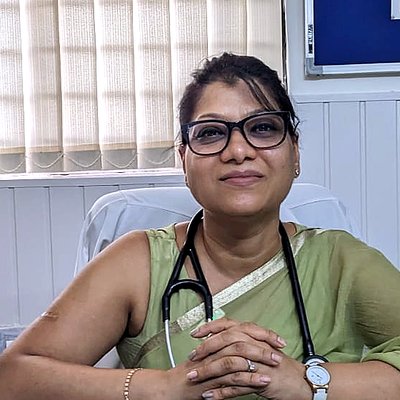
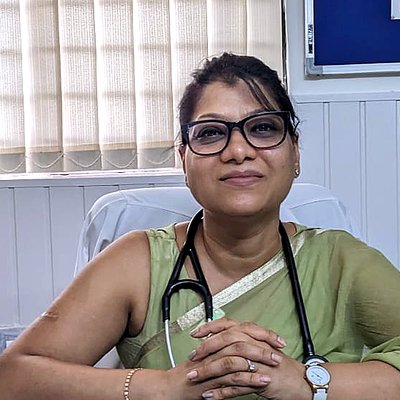
For expert cardiac care, heart attack management, and preventive cardiology, consult Dr. Ruchi Gupta in Jaipur. Call +91-98765 43210 or book an appointment online.